Ethical porn producers care about who is looking at their material. They only want consenting adults to view their porn and take steps to ensure that this happens, through warning pages and filtering labels like the RTA label. But porn producers make porn for adults; it is up to parents to look after what their kids see and to manage how they grow into their sexuality.
The media and politicians like to say that porn is “harmful”, especially for children. The truth is it is simply inappropriate for them; porn is entertainment made for adults who understand sex and sexuality.
Be aware that the internet is generally not child friendly: Youtube is full of disturbing and radicalized videos, news sites contain violent images and video, social media can be a place where bullying occurs. AI algorithms for “related content” increasingly seem to suggest obnoxious content, even from seemingly innocent searches or Youtube viewings.
If you have children, you can be proactive in preventing them from seeing porn and from other inappropriate material. It may take time to set things up but it will be worth it. Here are some practical steps.
Supervise
Make sure you are paying attention to what your child is viewing. Don’t allow them to use a computer or device in places where you can’t see the screen. Make sure they know you’re watching them.
Follow This Advice
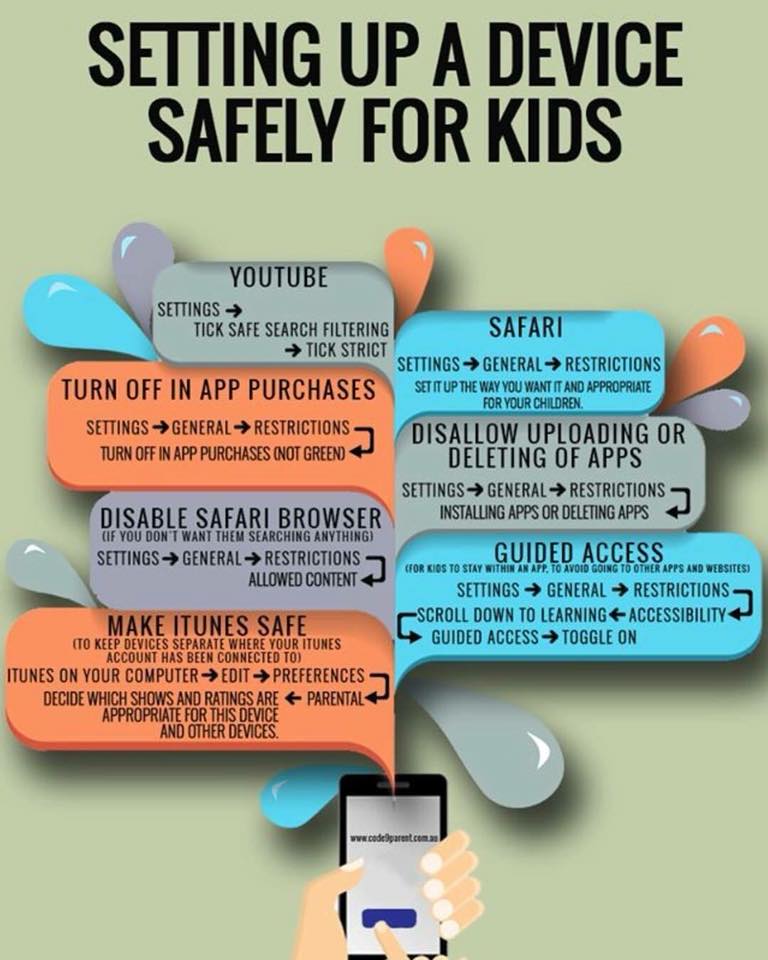 You should also enable these settings on the browser versions of Youtube and the mobile versions of Chrome, Firefox and other app browsers.
This graphic is from Code 9 Parent, a site that helps parents better work with their kids social media and gaming. There’s a lot of good advice on that page, please visit!
Enable Safe Settings on Devices, Browsers and Social Media
If you use Google as your main search page, go to Google.com, click on the bottom right where it says SETTINGS
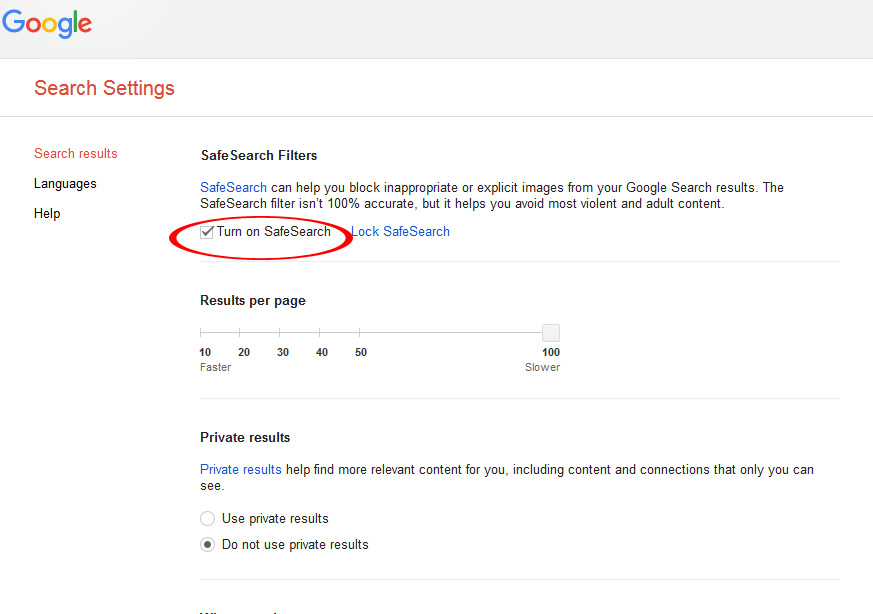
Check out this page for all the details.
You might also want read Common Sense Media’s guide to parental controls. It covers browsers, apps and AI as well.
Google also has the Family Link app for Android devices that can help control your children’s phone use. Read more about Google’s family strategies here.
If you allow your child to use Facebook, double check all the privacy settings (make them “Friends” only) and vet who their friends are. Make sure you are their friend and occasionally read any messages they have received.
And here’s Instagram’s safety tips page.
Invest In Filtering Software
Top Ten Reviews offers a recently-updated list of filtering software that you can buy and install. This software blocks porn and also has anti-cyberbullying measures and it will send email usage alerts.
If you are serious about protecting your kids, invest in good filtering software!
Don’t Rely On Government Bans
In the last few years, governments have introduced laws like age verification for porn and social media with the aim of protecting children. These laws may make parents feel like they don’t have to pay attention to what they’re kids are watching because it’s been taken care of. This is far from the truth. The rules are often easy to circumvent with a VPN or don’t apply to sites from another country. Pornhub might be banned where you are but there’s another 100 tube sites that don’t have to comply with the law because of where they’re located.
After 6 months of Australia’s social media ban, 4 in 5 kids were still using the banned sites. Policing these rules is very difficult due to the sheer number of sites that exist. The social media companies seem unwilling to make changes to their algorithms or vetting processes. And these bans also deprive young people of social interaction and useful information like sex education. Far better to take the time and take control of what your kids see yourself.
Talk To Your Kids
All of the above is useful but none of it can substitute the most important part of child safety: communication. It’s hugely important for parents to constantly check in and make sure their child is OK, to ask about what media they’ve seen and then to make an effort to contextualize it.
No filter is foolproof and it’s quite possible that kids will see media you don’t want them to see, either through accident or because a friend showed it to them.
Kids and teens are curious about sex and despite your best efforts, they may work against you. It’s always better to offer age-based information and advice rather than to try and wrap them in cotton wool and keep them ignorant.
Let them know that porn is for adults, that it is entertainment and – like other media – it can often contain negative messages about consent and gender. If they’re older teens let them know that, when they’re of age, they should be seeking out ethical porn.
This page offers advice on how to talk to your kids about porn, including good questions to ask and strategies for making it a less stressful experience.
This advice applies to numerous topics, not just porn. Be aware of fake news sites, anti-feminist Youtube channels, extremist racist sites or other harmful content. Kids need to be taught to be critical about what they see on the internet. Talking to them is always the best strategy to fortify them against negative content.